What you will take away
- Commercial vending is about placement quality and service consistency.
- Events are about bookings, logistics, staffing, and guest flow.
- The right machine follows the business model, not the other way around.
Ready for machine fit help?
Use what you learned here, then bring your venue, budget, and timeline into the purchase-path conversation.
Vending and events are different businesses
Both models can use the same basic product category, but they feel very different day to day.
Fixed-location vending rewards patient location development, clear service routes, and reliable restocking. Events reward booking, setup speed, customer flow, and a polished live experience.
This is why the question is not simply, 'Which machine is best?' The better question is, 'Which operating life am I willing to build?' A machine can support the business, but it cannot make you love the work around it.
| Decision | Commercial vending | Event or catering |
|---|---|---|
| Primary challenge | Winning and keeping a good location | Winning bookings and executing event days |
| Best machine direction | Commercial Machine | Mini for serious events, Micro for simple low-volume use |
| Sales motion | Venue owner outreach and site walks | Event planners, parents, schools, companies, fairs |
| Operations rhythm | Scheduled service, restock, cleaning, owner reporting | Transport, setup, line management, teardown |
Compare a normal week in each model
The daily work is where the decision becomes clear. Imagine doing the business on an average week, not just on the day you announce it.
A vending week might mean checking a mall machine on Tuesday morning before the lunch crowd. An event week might mean loading sugar and sticks Saturday at 7 a.m. and managing a line of kids by noon. Same product, very different life.
If one column sounds energizing and the other sounds draining, pay attention. That is useful data.
| Work moment | Commercial vending | Event or catering |
|---|---|---|
| Selling | Research venues, pitch owners, schedule site walks, negotiate terms | Answer inquiries, quote packages, follow up with planners and parents |
| Operations | Service route, restock, clean, check payments, update owner | Pack, transport, set up, serve, manage line, tear down |
| Schedule shape | More repeatable once locations are active | More weekend and event-date driven |
| Main risk | Weak placement or unclear service responsibility | Underpriced events, poor logistics, or too much custom work |
Choose the model that fits your personality
If you like recurring locations, repeatable service routes, and business-to-business selling, fixed vending may fit you. If you like live events, weekends, direct customer energy, and moving parts, events may feel more natural.
Neither path is automatically easier. They are just different flavors of work.
- Choose vending if you want to build a location portfolio over time.
- Choose events if you are comfortable selling, scheduling, transporting, and staffing.
- Choose a hybrid only after the first path is stable enough to not collapse when you add the second.
Choose this path if
Neither path is automatically better. The right choice depends on your goals, schedule, sales comfort, budget, and appetite for operational complexity.
Use these prompts as a decision tree before you compare machine specs.
| Choose | If this sounds like you | Be honest about |
|---|---|---|
| Commercial vending | You like B2B selling, repeat locations, and building a small route over time | Venue outreach can be slow, and a bad location can waste months |
| Events and catering | You like live customer energy, weekend work, and booking-based revenue | Every event has logistics, policies, and customer communication |
| Mini/Micro testing | You want a smaller first step before committing to a larger placement strategy | Lower complexity can also mean lower throughput or simpler output |
| Hybrid later | You already have one path stable and want to add another channel | Hybrid too early can split attention before either model is strong |
Let the business model choose the machine
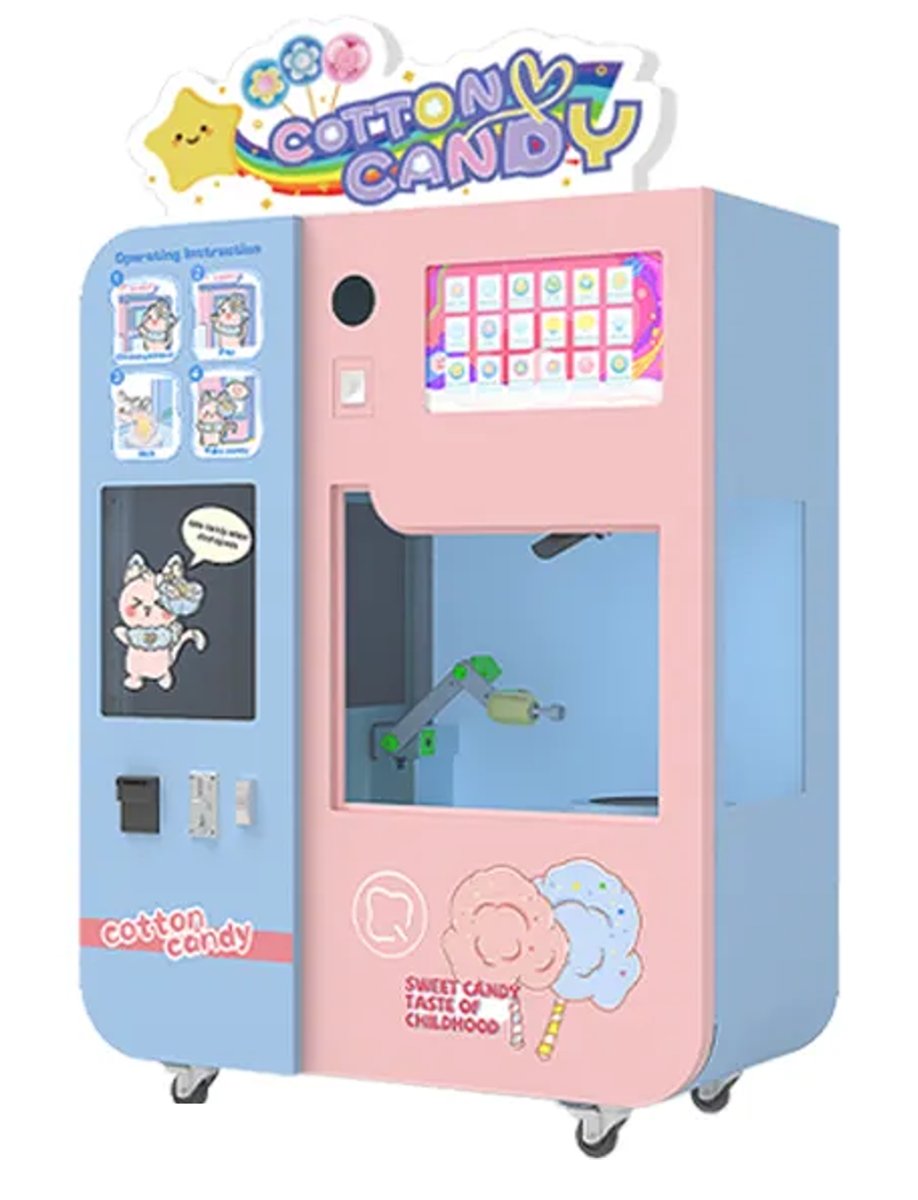
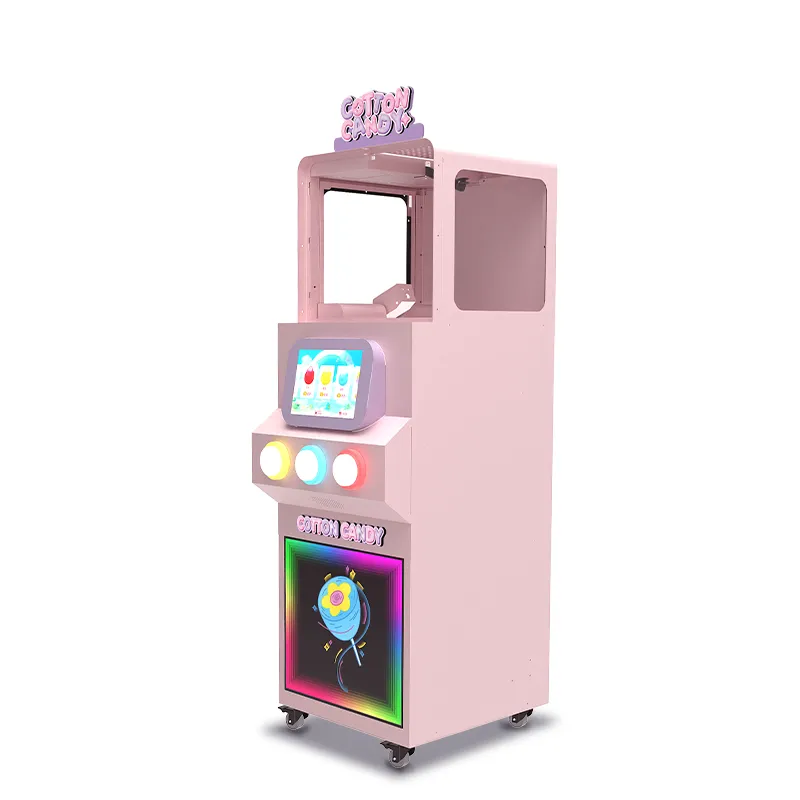
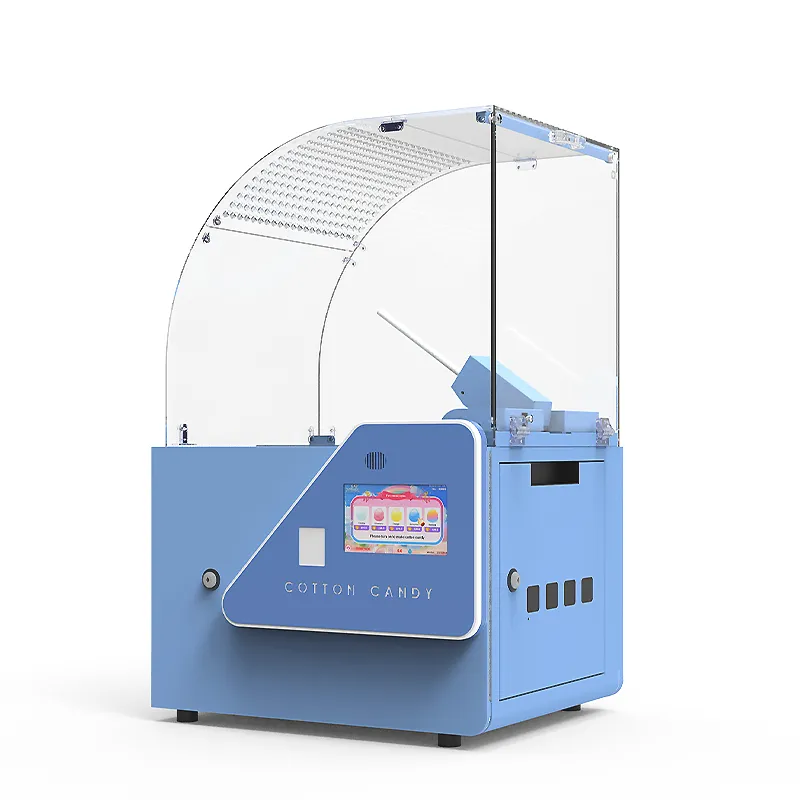
A Commercial Machine is designed for high-throughput, fixed or serious venue use. Mini is designed for operators who need a more portable footprint and still want stronger pattern capability. Micro is the simpler entry point for basic-shape, lower-volume use.
If you are stuck, write down your first ten target customers. The list usually tells you which model you are really building.
The first ten customer test
If your list is mostly venue owners, mall managers, FEC operators, and attraction managers, you are probably building a vending placement business. If it is parents, schools, event planners, companies, and festival organizers, you are probably building an event business. If the list is half and half, pick the side you can sell and operate first.
Know when not to choose a path
Good operators say no to the wrong first move. That does not mean the idea is bad forever. It means the timing, resources, or operating model may not be ready yet.
A clear no can protect your budget and your energy.
Operator checklist
- Do not choose vending first if you have no realistic venue pipeline and do not want to pitch owners.
- Do not choose events first if weekend work, transport, setup, and customer communication sound exhausting.
- Do not choose hybrid first if you have not proven either location service or event execution.
- Do not choose solely by machine price if the cheaper path cannot do the work your business model needs.
- Do not ignore admin basics because the machine itself feels fun and tangible.