What you will take away
- Events are a logistics business with a dessert show attached.
- Mini is the stronger fit when pattern capability and event volume matter.
- Your offer should be packaged clearly so customers know what they are buying.
Ready for machine fit help?
Use what you learned here, then bring your venue, budget, and timeline into the purchase-path conversation.
Think like an event operator
A portable cotton candy business is not only about making candy. It is about showing up on time, setting up cleanly, managing a line, and leaving the customer glad they booked you.
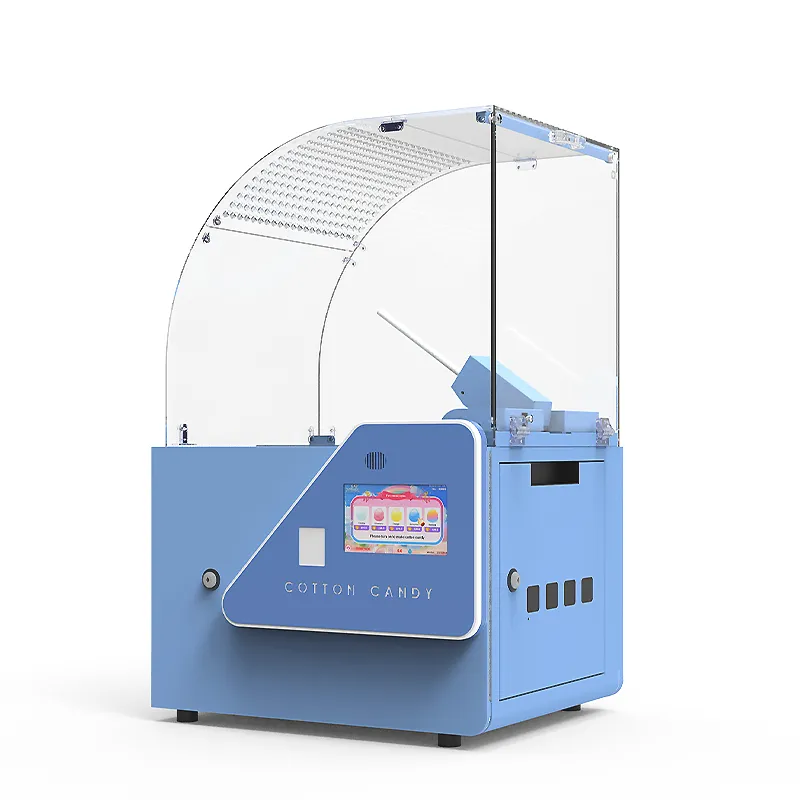
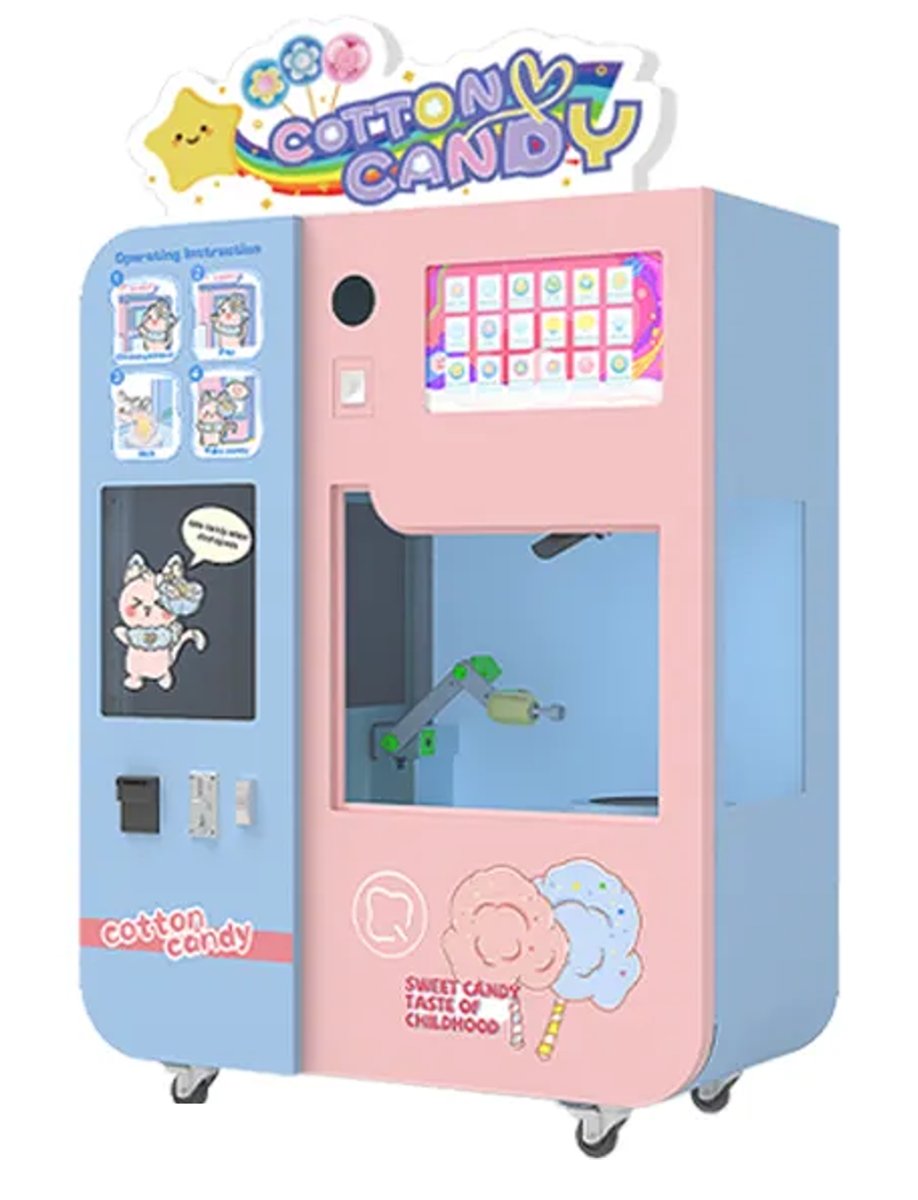
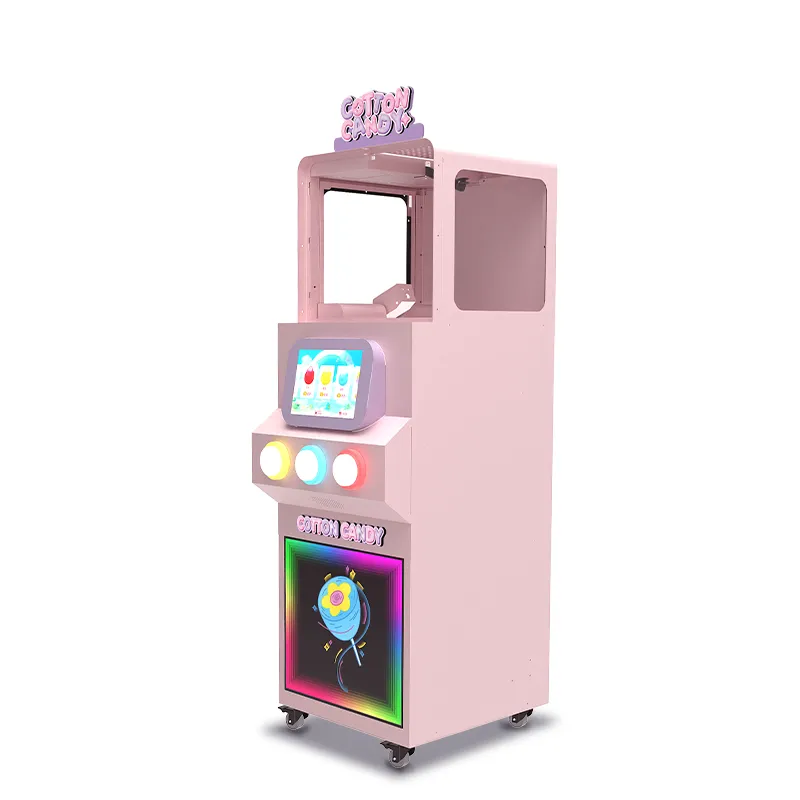
Mini is usually the better event-minded machine when you want more pattern capability and a stronger visual moment. Micro can make sense for smaller, lower-volume, basic-shape use cases.
Picture the morning of a birthday party or school fundraiser. You are loading supplies, confirming the address, checking power, packing backup tools, and thinking through where the line will form. The guests will remember the cotton candy. The buyer will remember whether you were calm, clean, and easy to work with.
| Question | Mini | Micro |
|---|---|---|
| Do you need complex patterns? | Better fit for more visual variety | Basic shapes only |
| Do you expect party or fair volume? | Better fit for more serious event use | Better for smaller, simpler use |
| Is budget the main constraint? | Higher machine cost, more capability | Lower entry cost, simpler output |
Package the offer so buyers understand it
People book event vendors when the offer is easy to understand. Instead of saying, 'We have a machine,' build simple packages around time, serving estimate, setup needs, travel, and add-ons.
Keep your first menu short. Too many choices make buyers slower, and slow buyers do not help a new business.
Make the booking page boring in the best way
A buyer should know what is included, what costs extra, what you need from them, and what happens if the event changes.
- Birthday package: fixed service window, simple color menu, local travel radius.
- Corporate or school event package: longer service window, invoice-friendly process, setup requirements.
- Festival package: booth layout, queue plan, weather policy, staff coverage, and restock plan.
Use sample packages before inventing custom quotes
Custom work is fine later. Early on, packages make the business easier to sell and easier to operate. They also keep you from accidentally promising three different businesses to three different customers.
These are planning examples, not fixed prices. Replace the serving counts, travel radius, staffing, and policy details with what fits your machine, market, and comfort level.
Filled example: 90-minute birthday pop-up
Example only: 25 invited kids, plan for 35-45 servings after siblings and parents, one staffed Mini setup, 90 minutes of service, 30-45 minutes for arrival/setup, local travel radius, one power outlet, simple color menu, booking confirmation before the date, and a weather or indoor-backup policy. Use Micro only if basic shapes and lower volume are acceptable.
Starter package structure for event operators.
| Package | Best for | What to define |
|---|---|---|
| Birthday pop-up | Backyard parties, play spaces, smaller private events | Service window, estimated servings, color/menu choices, travel radius, setup space |
| School or corporate event | Longer guest flow, invoice-friendly buyers, planned schedule | COI needs, arrival time, staff contact, power, payment/invoicing process |
| Festival or fair booth | Public traffic, longer day, more unknowns | Booth layout, weather plan, restock plan, line control, staffing shifts |
Plan serving counts like an operator
Serving estimates are not promises. They are planning tools that help you avoid under-packing, under-staffing, or setting up in a way that makes the line harder than it needs to be.
Start with the buyer's expected attendance, then discount for who will actually want cotton candy, the event length, competing food, and whether people arrive all at once or slowly over time.
A simple serving-planning worksheet.
| Planning input | Question to answer | Operator note |
|---|---|---|
| Guest count | How many people are expected, and how many are kids or treat buyers? | Do not pack only for the invitation count. Pack for realistic demand plus buffer. |
| Service window | Will demand hit all at once or spread across the event? | A two-hour party and a six-hour fair need different queue plans. |
| Menu complexity | How many colors, shapes, or choices are you offering? | More options can slow the line, especially with children choosing. |
| Staffing | Who greets, manages the line, handles payment, and resets supplies? | If one person owns everything, keep the offer simpler. |
Build the event-day kit
The machine is only one part of the setup. Your event kit should make the job feel repeatable even when the venue is chaotic.
Pack like the person who has to solve problems in a parking lot with ten minutes to spare.
Operator checklist
- Sugar and sticks for the expected serving count plus buffer
- Cleaning towels and approved cleaning supplies
- Table, signage, menu, and line-control plan
- Extension/power plan approved by the venue
- Payment backup, charger, and printed QR code if used
- Trash plan and end-of-event cleanup supplies
Run the event day from a checklist
The best event operators make the day feel boring in the best possible way. They know when to arrive, what gets unpacked first, how the line works, and what happens if the venue contact is busy.
Write this down before your first paid booking. When the event is loud, hot, crowded, or running late, a checklist is kinder than memory.
- 1
Day before
Confirm address, contact, arrival window, power, parking, load-in path, weather, and expected attendance.
- 2
Arrival
Find the venue contact, inspect power, choose the line direction, and keep walkways clear before unpacking fully.
- 3
Setup
Place table/signage, stage supplies, test the machine, prepare payment backup if needed, and take a clean setup photo.
- 4
Service
Keep the menu simple, watch the line, restock before you are empty, and clean small messes before they look like messes.
- 5
Teardown
Pack cleanly, remove trash, thank the buyer, note supply use, and write one improvement for the next booking.
Put policies in writing before money changes hands
Policies are not about being difficult. They protect the customer, the operator, and the event. A friendly business can still be clear.
At minimum, your booking flow should explain what is included, what the customer provides, when payment is due, and what happens if conditions change.
Operator checklist
- Deposit and final payment timing
- Travel radius and extra travel fees
- Indoor/outdoor and weather policy
- Power, table, tent, or space requirements
- Cancellation or reschedule policy
- Certificate of insurance or vendor paperwork timing