What you will take away
- A launch budget should include more than the machine price.
- Opening supplies and a maintenance reserve keep small problems from becoming big surprises.
- Your budget should match the business path: fixed vending, events, or a hybrid.
Ready for machine fit help?
Use what you learned here, then bring your venue, budget, and timeline into the purchase-path conversation.
The machine price is not the full launch price
The fastest way to under-budget is to stop at the machine number. A realistic budget includes everything required to open, operate, restock, and stay compliant.
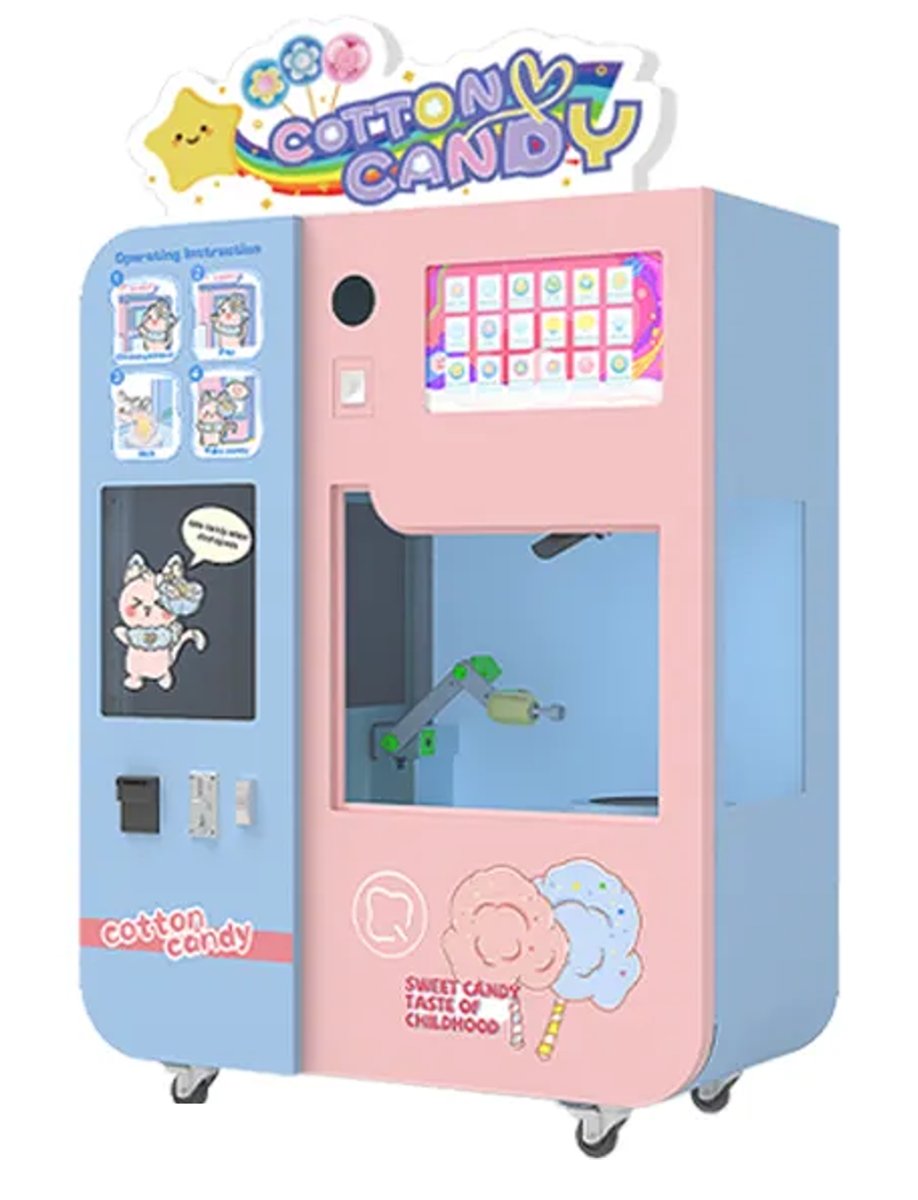
Your exact numbers depend on machine model, quote terms, shipping, tariffs or import duties if they are not included, location, venue terms, accessories, supplies, local requirements, and whether you are fixed-location or event-based.
Think about the first 90 days, not just purchase day. You may need opening sugar and sticks, a second supply order, card-reader or payment hardware, travel, storage, signage, venue paperwork, insurance documentation, and a reserve for normal early surprises.
Field note: site walks change budgets
A location can look perfect in photos and still change the budget once you walk it. A tight delivery path, limited power access, after-hours restock rules, import or delivery terms, or a venue request for extra insurance paperwork can all add real work. That is why a good budget has an 'unknowns' line before launch, not after the first surprise.
Use this as a planning worksheet, then replace estimates with real quotes.
| Category | What to include | Planning note |
|---|---|---|
| Machine | Machine price, configuration, add-ons, wrap choices | Quote-led so final configuration is confirmed before invoicing |
| Freight, duties, and import fees | International freight if applicable, tariffs, customs duties, brokerage, landed-cost terms | Ask whether these are included in the quote or paid separately |
| Accessories and payment hardware | Card readers, mounts, signage, extension cords, bins, cases, event table gear | Small items can add up fast if you buy them after launch |
| Delivery and setup | Local delivery access, liftgate, transport, install assumptions, site prep | Ask early if the venue has access or power constraints |
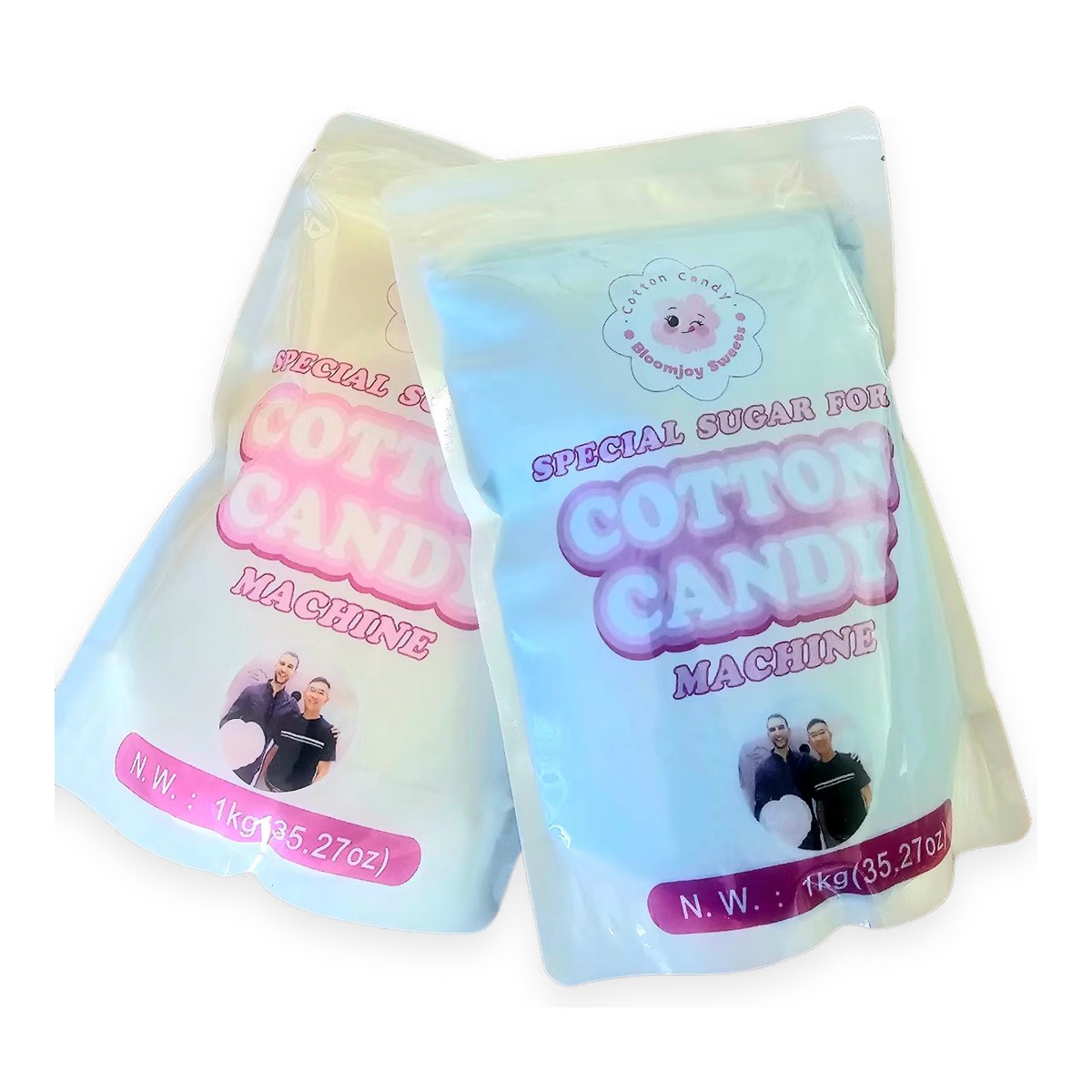
| Opening supplies | Sugar, paper sticks, bags or cones if used, cleaning basics, backup consumables | Order enough for launch plus buffer |
| Business setup | Registration, bank account, insurance, permits, tax support | Varies by state and local rules |
| Sales and marketing | Pitch materials, signage, menu, local outreach, event listing | Keep it practical and venue-specific |
| Operating reserve | Early restocks, travel, replacement items, support needs | Protects the first few months |
Build a worksheet with formulas, not guesses
A good budget lets you replace assumptions with real quotes over time. Start with placeholders, then mark each line as estimated, quoted, paid, or recurring.
Avoid using someone else's budget as a shortcut. Freight, local permits, insurance, venue terms, and event setup needs can change the picture quickly.
Public-safe worksheet structure. Replace blanks with your actual quotes.
| Line item | Planning formula | Status to track |
|---|---|---|
| Core equipment | Machine quote + selected configuration + payment hardware if applicable | Quote confirmed before ordering |
| Freight and delivery | Freight quote + access requirements + liftgate/install assumptions | Quoted after delivery location is known |
| Opening supplies | Expected first operating cycle x supply buffer | Ordered before launch |
| Venue or event setup | Signage + table/display needs + extension/power plan + storage/transport | Estimated, then confirmed by site walk |
| Admin and compliance | Registration + insurance + permits + professional advice as needed | Confirmed locally |
| Operating reserve | One to three months of known fixed obligations, adjusted for risk | Set aside before launch when possible |
Match the budget to the path
A fixed-location vending budget usually spends more time on venue agreement, placement, service access, customer payment setup, and reliable restock. An event budget usually spends more time on transport, staffing, table setup, signage, and booking materials.
Do not copy a budget from a different business model unless you want their problems too.
- Commercial vending: prioritize placement quality, uptime, supplies, and clear service responsibility.
- Event business: prioritize transport, event kit, booking workflow, and staff flow.
- Hybrid model: budget for both location service and event-day portability before committing.
Stress-test the first few months
Planning is not the same as promising profit. The point of a stress test is to understand what has to be true for the business to feel healthy.
Use conservative assumptions first. If the plan only works when every location is perfect, every weekend is busy, and nothing breaks your schedule, it is probably too fragile.
Simple questions to pressure-test your plan.
| Question | Formula or check | What it tells you |
|---|---|---|
| What are my fixed monthly obligations? | Rent, subscriptions, insurance, storage, outside debt service, or other fixed costs | The baseline the business must cover before it feels comfortable |
| How many orders cover fixed obligations? | Fixed obligations divided by expected contribution per order | A rough break-even order count, not a profit promise |
| What if demand is 25% lower than expected? | Reduce expected orders and rerun the worksheet | Whether the launch still has breathing room |
| What if restock or service costs are higher? | Increase supplies, travel, or labor assumptions | Whether your reserve is large enough for normal variance |
Keep a reserve for the unglamorous stuff
A reserve is not pessimism. It is how you keep a launch from getting knocked sideways by normal early-business surprises.
Set aside money for the first restock, a missed shipment, extra supplies for a better-than-expected weekend, travel, cleaning replacements, or a venue setup change.
Operator checklist
- Opening sugar and sticks
- Cleaning and maintenance supplies
- Venue signage or table setup
- Payment device or checkout backup
- Travel, delivery, or storage costs
- Local permits, insurance, or professional advice
Bring better questions into the purchase-path conversation
A good purchase-path conversation is not just, 'What does the machine cost?' It is a fit conversation. The more context you bring, the better the answer can be.
Before you talk to Bloomjoy or any equipment provider, write down the business model, target venues, launch timing, budget constraints, and what you need the machine to do on day one.
What this means in practice
The cheapest plan is not always the safest plan. The right plan gives the machine enough support, supplies, and breathing room to operate well after the excitement of launch day.
Operator checklist
- Which model am I building first: fixed vending, events, or hybrid?
- Do I have a target venue type or event buyer already in mind?
- Do I need complex patterns, higher throughput, portability, or a lower-cost test?
- Where will the machine live, and what delivery/access constraints exist?
- Which costs are fixed, quoted, estimated, or still unknown?
- What reserve can I set aside after buying the machine and opening supplies?